← Past Battles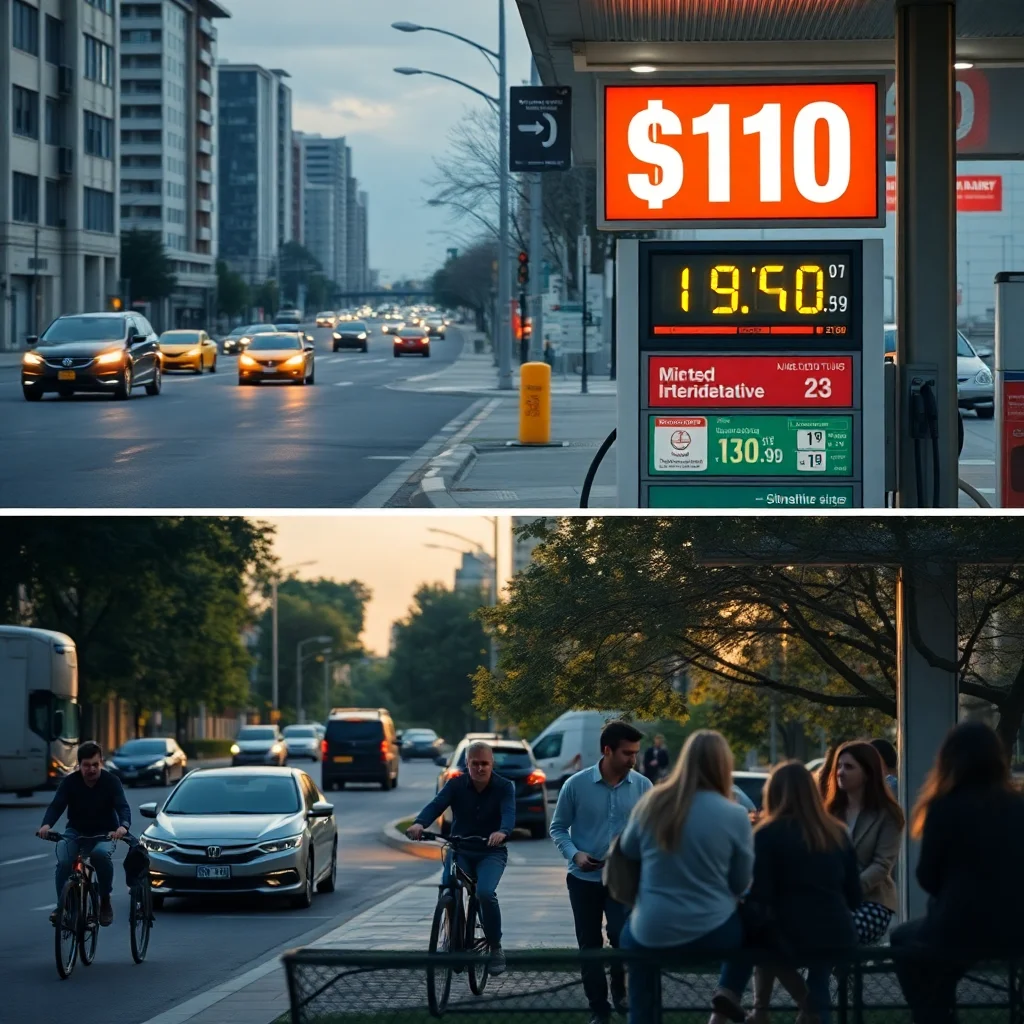
 PRO 47%
 CON 53%
TODAY'S BATTLE
Driving bans to fight high oil prices — necessary or overreach?
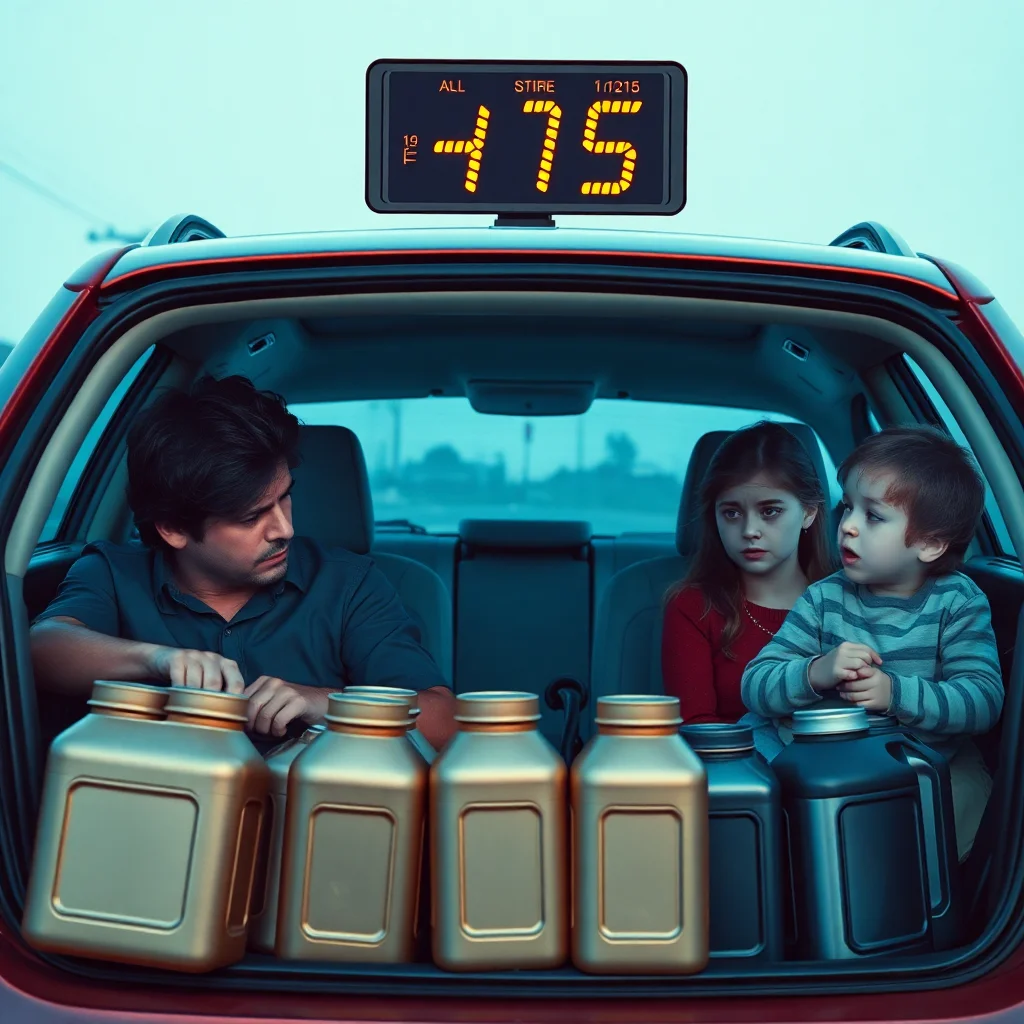
📰 Background As global oil prices (WTI) threaten to surpass $120 a barrel, the South Korean government is reportedly considering the mandatory implementation of a '5-day rotation system' for private vehicles. This system would prohibit citizens from driving their cars on one designated day per week based on their license plate number, a policy aimed directly at curbing national fuel consumption. 🔍 Context While driving restrictions are not new—many cities have used them to fight pollution or congestion—this debate is being fueled by urgent economic pressure. With geopolitical instability and market volatility pushing fuel costs to punishing levels worldwide, governments are forced to weigh drastic measures. The controversy pits the need for national economic stability and energy security against fundamental principles of individual freedom and mobility. ✅ Pro Supporters argue this is a necessary, albeit difficult, measure for the greater good. A mandatory driving reduction is one of the most direct ways to decrease national oil demand, which can help stabilize prices, reduce dependence on volatile foreign energy markets, and lower carbon emissions. It's a collective sacrifice required to protect the economy and the environment from a severe energy crisis. ❌ Con Opponents view this as a severe government overreach that infringes on personal liberty and property rights. Such a policy would disproportionately harm those in areas with poor public transportation, individuals with unconventional work hours, and families who rely on their vehicle for essential tasks. They argue it cripples personal autonomy and can cause significant economic hardship for citizens and small businesses without solving the root cause of high energy prices.
🔥 CON WINNING
PRO 47%CON 53%PRO 17CON 19