← Past Battles
 PRO 47%
 CON 53%
TODAY'S BATTLE
Two-Child Benefit Cap — Fair limit or cruel policy?
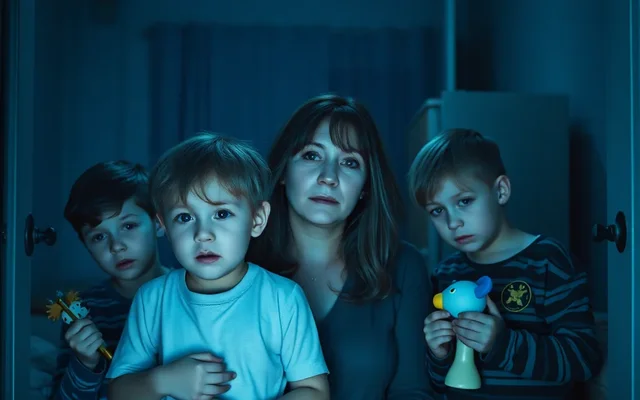
📰 Background In the UK, a fierce debate is raging over the two-child limit on benefit claims, a policy restricting tax credits and Universal Credit to the first two children in most families. A recent report in The Guardian has reignited the controversy, highlighting calls to scrap the cap and framing its removal as a potential £300-a-month "lifeline" for families hit hard by the cost-of-living crisis. 🔍 Context Originally introduced as a welfare reform measure, the cap was designed to make families on benefits face similar financial decisions as those in work. However, as inflation and child poverty rates have soared, critics now argue the policy is a key driver of hardship, trapping hundreds of thousands of children below the poverty line. The debate has become a major political battleground, pitting arguments of fiscal responsibility against those of social justice and child welfare. ✅ Pro Supporters of the cap argue it is a fair and necessary measure to control welfare spending and encourage personal responsibility. They contend that taxpayers should not be expected to fund unlimited family sizes, and that working families must often make difficult financial choices about whether they can afford to have more children. The policy, they claim, simply asks those on benefits to make similar considerations. ❌ Con Opponents argue the policy is fundamentally cruel, illogical, and ineffective, punishing children for the circumstances of their birth. They assert that it has failed to influence family planning decisions as intended, and instead has directly pushed over a million children deeper into poverty. Scrapping the cap, they say, is a moral imperative and one of the most effective single actions the government could take to reduce child poverty.
🔥 CON WINNING
PRO 47%CON 53%PRO 17CON 19