← Past Battles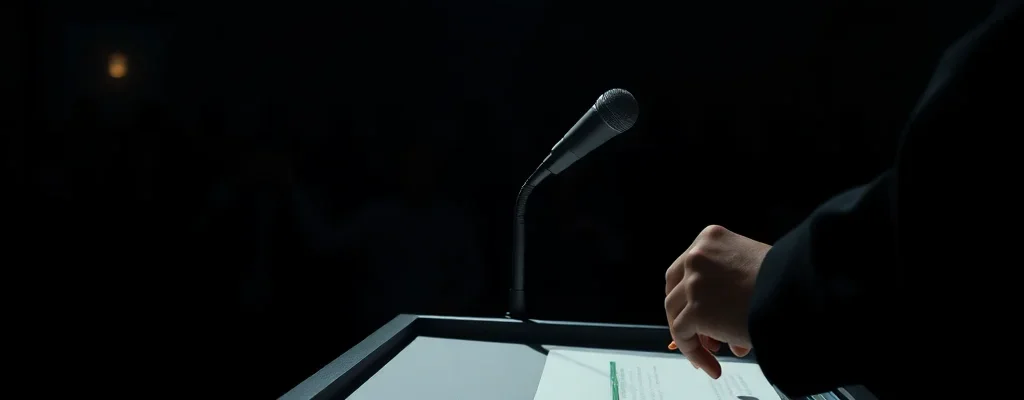
 PRO 47%
 CON 53%
TODAY'S BATTLE
Politicians dropping the F-bomb: authentic or unprofessional?
📰 Background A New York Times report highlighted a growing trend of Democratic politicians in the US, such as Senator John Fetterman and former Rep. Beto O’Rourke, using profanity like the F-word in public appearances and on social media. This is often a deliberate choice, framed as a way to communicate more directly and authentically with voters who are tired of carefully polished political speech. 🔍 Context This trend taps into a broader cultural shift towards informality and a rejection of traditional decorum, especially in an era of intense political polarization. The use of such strong language is a high-risk, high-reward strategy: it can energize a political base and generate media attention, but it also risks alienating moderate voters and is seen by many as a symptom of declining civility in public life. ✅ Pro Supporters argue that this is raw, honest communication that shows politicians are passionate, relatable human beings, not robotic figures. They believe swearing can effectively convey righteous anger on important issues, cutting through the noise and mobilizing an electorate that feels its leaders are too often out of touch and overly cautious with their language. ❌ Con Critics contend that the use of profanity is fundamentally unprofessional and degrades the dignity of public office. They argue it coarsens political discourse, sets a poor example for younger generations, and replaces substantive, reasoned debate with cheap, emotional appeals that only serve to deepen societal divisions.
🔥 CON WINNING
PRO 47%CON 53%PRO 17CON 19