← Past Battles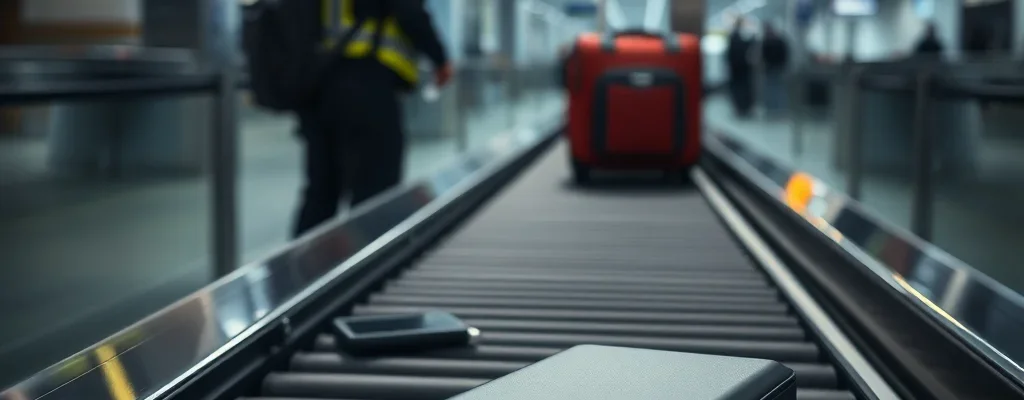
 PRO 49%
 CON 51%
TODAY'S BATTLE
Airline power bank bans — justified safety or a cash grab?
📰 Background Several budget airlines, including Ryanair, TUI, and easyJet, are enforcing stricter rules on portable power banks. These regulations often ban power banks with a capacity over 100Wh from all luggage and require any permitted batteries to be carried in the cabin, often within the small personal item. This has sparked frustration as passengers who need to bring a power bank may be forced to pay for a larger carry-on bag. 🔍 Context This controversy sits at the intersection of aviation safety and the business model of budget airlines. Lithium-ion batteries pose a documented fire risk (thermal runaway) that is much harder to manage in a plane's cargo hold. However, critics argue these rules are being applied in a way that financially penalizes customers, tapping into widespread frustration over airlines charging extra for services that were once standard. ✅ Pro The safety of passengers and crew is non-negotiable, and these rules are an essential precaution. A single lithium-ion battery fire in the cargo hold could be catastrophic and is nearly impossible to extinguish mid-flight. By restricting these items to the cabin, where a fire can be quickly identified and addressed, airlines are responsibly mitigating a very real and potentially deadly risk. ❌ Con This is a thinly veiled cash grab disguised as a safety measure. The actual risk from modern, certified power banks is statistically minuscule, yet the financial impact on travelers is significant. It forces customers to either pay for expensive carry-on luggage or abandon essential devices, disproportionately affecting those who rely on electronics for work or travel, all to boost the airline's ancillary revenue.
🔥 CON WINNING
PRO 49%CON 51%PRO 17CON 18